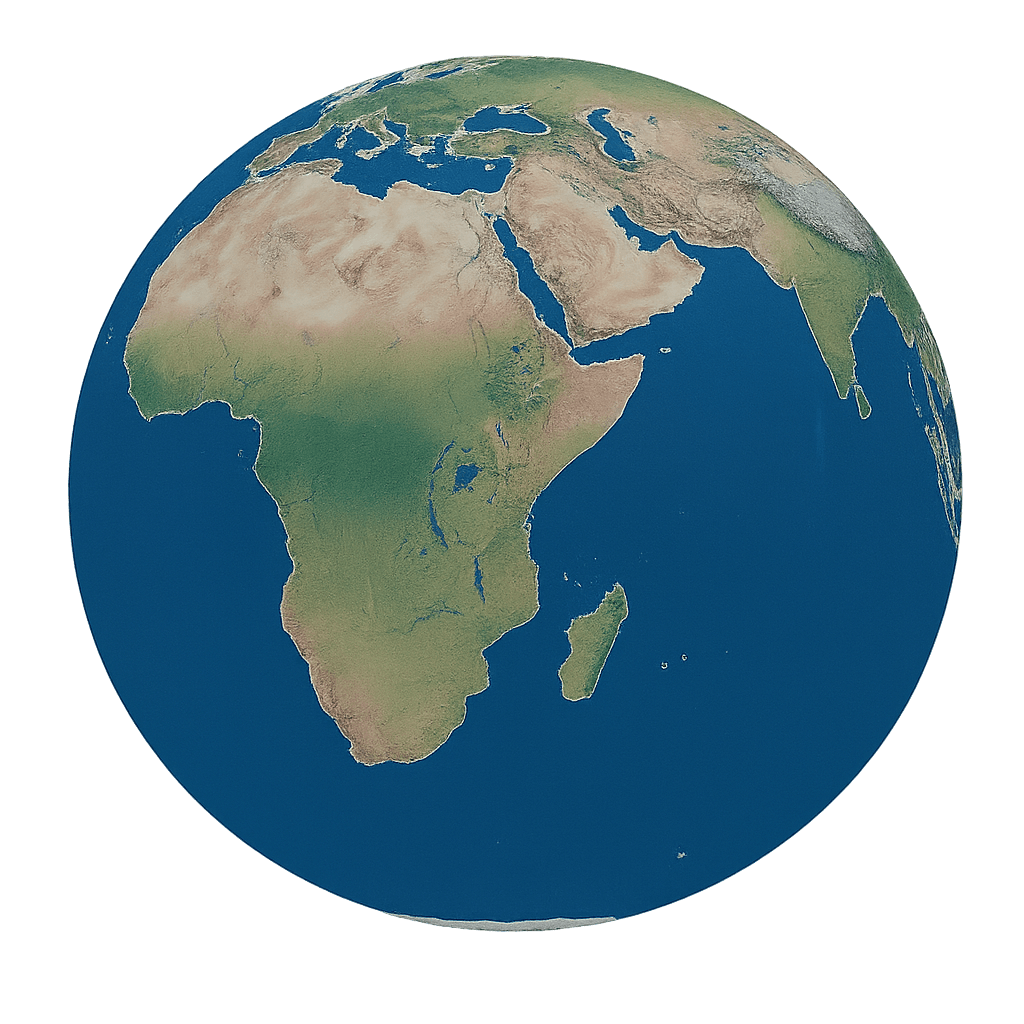

Body-in-White Market to Reach US$136.5Bn by 2032, Growing at 3.5% CAGR | Persistence Market Research

Body-in-White (BiW) Market Size
The Body-in-White (BiW) market is poised for steady growth through 2032, driven by lightweight materials, EV design needs, and smart manufacturing trends.
BRENTFORD, LONDON, UNITED KINGDOM, February 9, 2026 /EINPresswire.com/ -- The Body-in-White (BiW) market represents a foundational segment of the global automotive manufacturing ecosystem, focusing on the vehicle’s structural frame before painting and final assembly. This stage integrates essential components such as the underbody, side frames, roof, and closures, defining the vehicle’s safety, durability, and weight characteristics. As automakers strive to balance performance, safety, and sustainability, the BiW market has become a critical area of innovation. Advanced joining technologies, modular designs, and automation are increasingly shaping how BiW structures are engineered and manufactured across vehicle platforms.
According to Persistence Market Research, the global body-in-white (BiW) market size is likely to be valued at US$ 103.6 Bn in 2025 and is estimated to reach US$ 136.5 Bn by 2032, expanding at a CAGR of 3.5% during the forecast period 2025–2032. Market growth is primarily supported by the convergence of lightweight material adoption, electric vehicle-specific design requirements, and smart manufacturing practices. Among segments, passenger vehicles dominate due to high production volumes and faster integration of advanced materials. From a geographical standpoint, Asia Pacific leads the BiW market, driven by strong automotive production hubs, cost-efficient manufacturing, and rapid electrification trends.
Get Your FREE Sample Report Instantly Click Now: https://www.persistencemarketresearch.com/samples/35530
The key players studied in the report include:
• Gestamp Automoción, S.A.
• Volkswagen Group
• Toyota Motor Corporation
• Stellantis N.V.
• Ford Motor Company
• General Motors Company
• Bayerische Motoren Werke AG (BMW AG)
• Honda Motor Co., Ltd.
• Hyundai Motor Company
• ArcelorMittal S.A.
• Nissan Motor Co., Ltd.
• Volvo Group
• Thyssenkrupp AG
• Magna International Inc.
• Aisin Seiki Co., Ltd.
• Tata Steel Limited
• ABB Ltd.
• Mahindra & Mahindra Limited
• Henkel AG & Co. KGaA (Henkel Adhesive Technologies)
Key Highlights from the Report
➤ The Body-in-White (BiW) market is projected to grow steadily from US$ 103.6 Bn in 2025 to US$ 136.5 Bn by 2032.
➤ The market is anticipated to expand at a CAGR of 3.5% over the forecast period 2025–2032.
➤ Increasing use of lightweight materials such as advanced steel and composites is reshaping BiW structures.
➤ Electric vehicle architecture requirements are redefining design, safety, and load-bearing standards in BiW manufacturing.
➤ Smart manufacturing and automation are enhancing precision, scalability, and cost efficiency across production lines.
➤ Asia Pacific remains the leading regional market due to strong vehicle production and rapid adoption of new technologies.
Market Segmentation
By Vehicle Type
• Passenger Cars
• Lightweight Commercial Vehicles (LCVs)
• Medium & Heavy Commercial Vehicles (M&HCVs)
• Electric Vehicles (EVs)
By Material Type
• Steel
• Aluminum
• Composites
By Manufacturing Process
• Cold Stamping
• Hot Stamping
• Roll Forming
• Advanced Joining Methods
By Construction Type
• Monocoque
• Frame-mounted
By Region
• North America
• Europe
• East Asia
• South Asia & Oceania
• Latin America
• Middle East & Africa
Customize This Report for Your Exact Requirements: https://www.persistencemarketresearch.com/request-customization/35530
Regional Insights
Asia Pacific continues to dominate the Body-in-White (BiW) market, supported by large-scale automotive production across key manufacturing economies. The region benefits from strong domestic demand, export-oriented vehicle manufacturing, and rapid integration of automation technologies. Automakers in this region are increasingly focusing on lightweight BiW solutions to meet evolving emission norms and fuel efficiency targets, further strengthening market leadership.
Other regions contribute steadily to global market growth by emphasizing innovation and regulatory compliance. Manufacturers are investing in advanced BiW designs that align with safety standards and sustainability goals. The gradual shift toward electric mobility across global markets is creating consistent demand for redesigned BiW platforms, ensuring balanced regional participation in overall market expansion.
Market Drivers
The primary driver of the Body-in-White (BiW) market is the increasing adoption of lightweight materials in automotive manufacturing. Automakers are under continuous pressure to improve fuel efficiency and reduce emissions without compromising structural safety. Lightweight BiW structures directly address this challenge by lowering vehicle mass, which enhances performance and efficiency. Advanced steel grades, aluminum alloys, and composite materials are increasingly being incorporated into BiW designs to achieve optimal strength-to-weight ratios.
Another major growth driver is the rapid evolution of electric vehicles. EV-specific design requirements demand reengineered BiW architectures that can support heavy battery systems while maintaining crashworthiness. This has accelerated innovation in modular BiW platforms, allowing manufacturers to adapt designs across multiple vehicle models. Additionally, the integration of smart manufacturing practices, including robotics and digital simulation, is improving production accuracy and reducing development timelines, further driving market growth.
Market Opportunities
The ongoing shift toward electric and hybrid vehicles presents substantial opportunities for the Body-in-White (BiW) market. As automakers transition from conventional platforms to dedicated EV architectures, there is growing demand for innovative BiW designs that optimize battery placement, enhance safety, and improve aerodynamics. This transition encourages long-term collaboration between material suppliers, technology providers, and vehicle manufacturers.
Another significant opportunity lies in the adoption of smart manufacturing and digitalization. Advanced simulation tools, predictive analytics, and automated quality control systems enable manufacturers to optimize BiW design and production efficiency. These technologies reduce material waste, improve consistency, and shorten development cycles. As global automotive production continues to modernize, such advancements are expected to unlock new growth avenues for the BiW market.
Customize This Report for Your Exact Requirements: https://www.persistencemarketresearch.com/checkout/35530
Recent developments
• March 2024 – Expansion of advanced BiW manufacturing capabilities to support next-generation vehicle platforms.
• September 2024 – Introduction of modular BiW designs tailored for electric vehicle architectures.
Future Opportunities and Growth Prospects
The future of the Body-in-White (BiW) market is closely tied to the automotive industry’s transition toward sustainable and electric mobility. Continuous innovation in lightweight materials, combined with smart manufacturing practices, is expected to redefine BiW design standards. As global demand for efficient and safe vehicles rises, manufacturers that invest in adaptable BiW platforms and digitalized production processes will be well-positioned to capture long-term growth. With the market projected to reach US$ 136.5 Bn by 2032 at a CAGR of 3.5%, the BiW segment remains a strategically important area within the global automotive value chain.
Persistence Market Research
Persistence Market Research Pvt Ltd
+1 646-878-6329
email us here
Visit us on social media:
LinkedIn
Instagram
Facebook
YouTube
X
Legal Disclaimer:
EIN Presswire provides this news content "as is" without warranty of any kind. We do not accept any responsibility or liability for the accuracy, content, images, videos, licenses, completeness, legality, or reliability of the information contained in this article. If you have any complaints or copyright issues related to this article, kindly contact the author above.
