

Chemotherapy Drugs Market Grows at 9.0% CAGR Through 2033 | Persistence Market Research
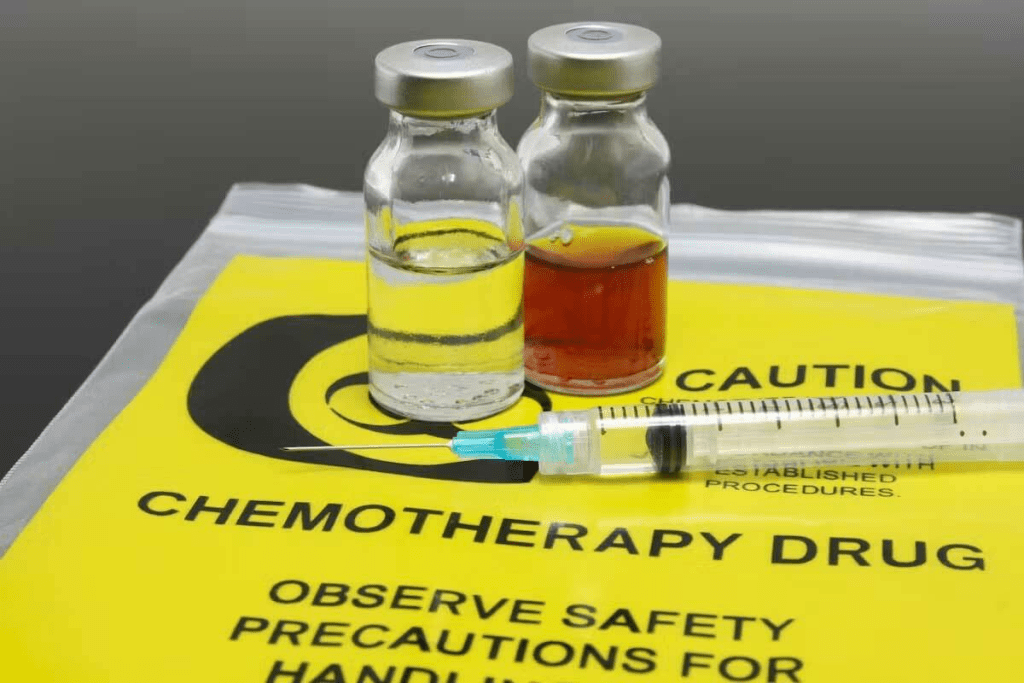
Chemotherapy Drugs Market
Chemotherapy drugs market is driven by rising cancer cases, regulatory approvals, biosimilars growth, and expanding use in combination cancer therapies
LONDON, UNITED KINGDOM, January 22, 2026 /EINPresswire.com/ -- The global chemotherapy drugs market is positioned for sustained expansion, supported by rising cancer prevalence, continuous regulatory approvals, and advancements in treatment approaches. The market is expected to be valued at US$ 57.2 billion in 2026 and projected to reach US$ 104.6 billion by 2033, registering a strong compound annual growth rate (CAGR) of 9.0% during the forecast period. Chemotherapy drugs, which play a foundational role in cancer management, account for nearly 21% of the global oncology drugs market, underscoring their continued clinical and commercial relevance.
Download Your Free Sample & Explore Key Insights: https://www.persistencemarketresearch.com/samples/27301
Key Market Drivers and Trends
Growth in the chemotherapy drugs market is largely driven by the increasing global incidence of cancer, improved diagnostic capabilities, and better access to healthcare services. Regulatory approvals and government-led initiatives are accelerating the introduction of new and more effective chemotherapy regimens. In 2025, several oncology drugs received regulatory clearance, expanding treatment options across multiple cancer indications and reinforcing the role of chemotherapy in combination-based treatment strategies. A notable trend shaping the market is the shift toward oral chemotherapy and biologically targeted therapies, which offer improved convenience, better patient adherence, and enhanced tolerability. Additionally, the increasing integration of chemotherapy with immunotherapy, targeted therapy, and hormone therapy is improving clinical outcomes and driving demand.
Market Size and Segment Highlights
By drug class, alkylating agents are expected to dominate the chemotherapy drugs market, accounting for approximately 35% share in 2026. Their broad-spectrum efficacy, proven clinical outcomes, and compatibility with combination therapies continue to support widespread adoption. By indication, lung cancer is anticipated to represent around 13% of market share, driven by high global incidence and strong links to smoking and environmental risk factors. In terms of route of administration, oral chemotherapy is gaining traction due to its convenience and cost advantages, reducing reliance on hospital-based infusion services. Regionally, North America is projected to hold a leading 42% share in 2026, supported by advanced healthcare infrastructure, high cancer prevalence, and strong reimbursement frameworks.
Regulatory Approvals and Government Initiatives Fuel Growth
Regulatory approvals and government-backed research initiatives remain central to market expansion. Accelerated drug approvals and increased oncology funding are improving access to innovative chemotherapy drugs. Programs focused on precision medicine and combination therapies are integrating chemotherapy with tumor biology-driven approaches, enhancing treatment effectiveness. These initiatives not only expand the therapeutic pipeline but also encourage pharmaceutical companies to invest heavily in oncology research and development, reinforcing long-term market growth.
Get Custom Insights Designed for Your Business: https://www.persistencemarketresearch.com/request-customization/27301
Challenges Related to Toxicity and Long-Term Risks
Despite its strong outlook, the chemotherapy drugs market faces challenges linked to severe toxicity and long-term health risks. Common adverse effects such as nausea, anemia, infections, and immune suppression can negatively impact patient quality of life and treatment adherence. Certain chemotherapy classes are associated with chronic complications, including peripheral neuropathy and cardiotoxicity, which can limit prolonged use. Concerns over secondary cancers and long-term organ damage are also prompting healthcare providers to consider alternative treatment options, including targeted therapies and immunotherapies. These factors act as a restraint on market growth and are driving ongoing efforts to develop safer, more tolerable chemotherapy agents.
Biosimilars Create Significant Market Opportunity
The expansion of biosimilars represents a major growth opportunity for the chemotherapy drugs market. Biosimilars are improving affordability and expanding access to cancer treatment, particularly in cost-sensitive and developing regions. With more than 60 biosimilars approved across therapeutic areas, oncology remains a key focus due to the high cost burden of cancer care. Studies indicate that even moderate biosimilar adoption can generate substantial healthcare savings while maintaining clinical efficacy. As pricing strategies mature and provider confidence increases, biosimilars are expected to play a transformative role in reshaping market dynamics and improving patient access globally.
Regional Market Insights
North America continues to lead the chemotherapy drugs market due to high healthcare spending, strong research infrastructure, and early adoption of advanced therapies. Europe follows with steady growth, supported by favorable reimbursement policies, active clinical research, and regulatory approvals for novel chemotherapy combinations. The Asia Pacific region is emerging as the fastest-growing market, driven by rising cancer incidence, expanding healthcare infrastructure, and increasing government investment in oncology care. Improved awareness, early diagnosis programs, and greater access to treatment are positioning Asia Pacific as a critical contributor to global market expansion.
Checkout Now & Download Complete Market Report: https://www.persistencemarketresearch.com/checkout/27301
Companies Covered in Chemotherapy Drugs Market
F. Hoffmann-La Roche Ltd
Celgene Corp
Novartis AG
Bristol-Myers Squibb Co
Johnson & Johnson
Sanofi
Pfizer Inc.
Eli Lilly & Company
ImClone Systems Inc.
GlaxoSmithKline
AstraZeneca
Schering-Plough
Boehringer Ingelheim
Bristol-Myers Squibb
Competitive Landscape and Recent Developments
Patent expirations are intensifying competition and accelerating biosimilar entry, particularly in emerging markets. Recent regulatory approvals for targeted kinase inhibitors and novel oncology therapies highlight the industry’s focus on expanding treatment options and addressing unmet clinical needs. Overall, the chemotherapy drugs market is expected to maintain steady growth through 2033, supported by innovation, expanding access, and its essential role in global cancer treatment strategies.
Market Segmentation
Drug Class
Alkylating Agents
Antimetabolites
Anti-tumour Antibiotics
Topoisomerase Inhibitors
Mitotic Inhibitors
Plant Alkaloids
Corticosteroids
Miscellaneous Antineoplastic
Indication
Lung Cancer
Breast Cancer
Colorectal Cancer
Prostate Cancer
Leukemia
Lymphoma
Ovarian Cancer
Pancreatic Cancer
Others
Route of Administration
Oral
Parenteral
Others
Dosage Form
Capsules/Tablets
Injections
Others
Distribution Channel
Retail Pharmacies
Hospital Pharmacies
Oncology Clinics & Infusion Centers
Others
Regions
North America
Europe
East Asia
South Asia & Oceania
Latin America
Middle East & Africa
Read Related Reports:
Algal Protein Expression Market: The Algal protein expression systems are set to grow steadily, rising from US$736.3 Bn in 2026 to US$962.4 Bn by 2033 at a 3.9% CAGR. Worldwide demand.
Prolotherapy Market: The global prolotherapy market is projected to grow from US$ 925.0 Mn in 2026 to US$ 1,409.3 Mn by 2033, at a CAGR of 6.2% during forecast 2026–2033.
Persistence Market Research
Persistence Market Research Pvt Ltd
+1 646-878-6329
email us here
Visit us on social media:
LinkedIn
Instagram
Facebook
YouTube
X
Legal Disclaimer:
EIN Presswire provides this news content "as is" without warranty of any kind. We do not accept any responsibility or liability for the accuracy, content, images, videos, licenses, completeness, legality, or reliability of the information contained in this article. If you have any complaints or copyright issues related to this article, kindly contact the author above.
